
Loading...
What Is a Telehealth Doctor's Note?
You wake up feeling awful, with a fever, headache, and body aches. You know you can't work today, but your employer requires a doctor's note. The thought of dragging yourself to urgent care, sitting in a waiting room full of other sick people, and spending hours getting a simple note sounds miserable. There's got to be a better way, right?
Edge supports healthcare providers delivering telehealth services that include proper medical documentation when clinically appropriate. If you're wondering whether online doctor's notes are legitimate, how they work, or if your employer will accept them, understanding telehealth documentation helps you make informed decisions about virtual healthcare and workplace requirements.
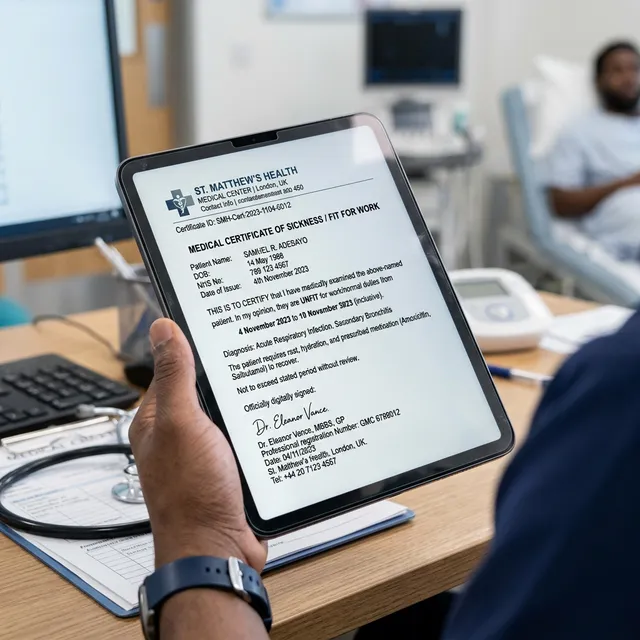
A telehealth doctors note is medical documentation provided by a licensed physician or healthcare provider after a virtual consultation. It works exactly like traditional doctors notes, confirming you were evaluated by a medical professional, stating your medical condition (to the extent appropriate), and recommending work or school absence if medically necessary.
The difference is how you get it. Instead of sitting in a clinic waiting room, you connect with a doctor via video call, phone, or secure messaging. The provider evaluates your symptoms, asks relevant questions, reviews your medical history, and determines whether medical documentation is clinically justified.
Here's what matters: this isn't some sketchy "pay $20 for a fake note" scam. Legitimate telehealth providers are real doctors making real medical assessments. They're not rubber-stamping excuses; they're practicing medicine remotely and documenting encounters appropriately.
The note itself looks professional, including the provider's name, credentials, date, your information, assessment, and recommendations. It's delivered digitally, usually via secure patient portal or email, ready to forward to employers or schools requiring documentation.
Common situations include calling in sick to work when employers require documentation, missing school due to illness, needing verification for family medical leave, documenting illness for insurance claims, or proving you're medically unfit for certain activities temporarily.
The key is that you actually need medical care, not just documentation. Ethical telehealth providers won't issue notes without a legitimate medical evaluation. If you're trying to scam your way out of work, telehealth won't help you any more than showing up at a clinic, lying to a doctor would.
Legitimate medical reasons for work absence include contagious illnesses (flu, COVID, strep throat), acute conditions requiring rest (severe migraines, back injuries, gastroenteritis), mental health crises, post-procedure recovery, or medication side effects affecting work safety.
Understanding when online doctors' notes are appropriate helps you use telehealth services appropriately rather than expecting doctors to commit fraud by documenting non-existent conditions.
Getting legitimate online doctor's notes starts with choosing reputable telehealth providers. Use established services like Teladoc, Amwell, MDLive, Doctor on Demand, or your health insurance's telehealth platform. Avoid sketchy websites promising "instant doctor's notes with no consultation"; those are fraudulent.
Book an appointment explaining that you're seeking a medical evaluation and may need documentation for work or school. Reputable platforms schedule video or phone consultations with licensed physicians who can assess your condition properly.
Provide accurate information about symptoms, medical history, current medications, and what's happened. Lying to doctors wastes everyone's time and won't get you legitimate documentation. If you're not actually sick, telehealth can't help you fake it.
Insurance coverage varies; some plans cover telehealth visits completely, others charge copays, and some services operate on direct-pay models ($50-$100 per visit typically). Check your insurance before booking to understand costs.
During the consultation, doctors assess your condition through conversation, visual examination via video, and reviewing any information you've provided. They're determining whether you have a legitimate medical condition requiring time off work.
This isn't automatic. Doctors won't issue notes just because you ask; they issue them when medically appropriate based on professional judgment. Expect questions about symptoms, duration, severity, how it affects your ability to work, and whether you need treatment.
If documentation is warranted, doctors provide notes specifying the evaluation date, diagnosis (to the appropriate extent, sometimes just "acute illness" for privacy), and recommendations like "patient should avoid work on [dates]" or "patient may return to work on [date]."
Timeframes matter. Doctors typically excuse current illness, today through a few days ahead. They won't backdate notes for absences that already happened without evaluation, and they won't write future notes weeks in advance. The documentation reflects actual medical assessment timing.
Understanding the benefits of outsourcing helps healthcare providers scale telehealth services efficiently while maintaining documentation quality and compliance standards.
Here's the honest answer: Most employers accept legitimate telehealth doctor's notes, but you might encounter occasional resistance from old-school managers who don't understand virtual healthcare. Legally, telehealth visits are real medical care, and documentation from licensed providers carries the same weight as in-person visits.
Federal laws like the ADA and FMLA don't distinguish between in-person and telehealth documentation. If a licensed doctor evaluated you and determined medical absence was necessary, that's legitimate regardless of consultation format.
Some employers maintain policies requiring in-person visits, but these are increasingly outdated and may face legal challenges if they discriminate against telehealth care. Most HR departments recognize telehealth documentation as valid, especially post-pandemic, when virtual care became mainstream.
If your employer questions telehealth notes, politely point out that you received care from a licensed physician who conducted a legitimate medical evaluation. The consultation method doesn't invalidate medical judgment. If problems persist, HR departments usually clarify that telehealth documentation is acceptable.
Insurance companies, disability claims, and legal proceedings also generally accept telehealth documentation. The key is that it comes from licensed providers conducting actual evaluations, not fake note mills.
Teladoc, one of the largest telehealth platforms, provides medical documentation when clinically appropriate following virtual consultations. Their process is straightforward: book a visit, speak with a doctor, get evaluated, and if warranted, receive documentation via your account.
Teladoc doctors follow the same medical standards as in-person physicians. They won't issue notes without legitimate medical reasons because their medical licenses are on the line. You're getting actual medical care, not purchased excuses.
Documentation arrives through your Teladoc account, usually within hours of your visit. It includes provider information, visit summary, and any recommendations or restrictions. You can download, print, or forward it to employers or schools as needed.
Cost varies by insurance; many plans cover Teladoc visits with standard copays ($0-$50 typically). Without insurance, visits run $75-$100, which is still cheaper than urgent care visits and way more convenient.
Teladoc works well for common acute illnesses like colds, flu, COVID, sinus infections, urinary tract infections, rashes, minor injuries, and other conditions where diagnosis doesn't require hands-on examination. If you're genuinely sick with these issues and need time off, Teladoc can evaluate you and provide appropriate documentation.
It's less suitable for complex conditions requiring physical examination, injuries needing imaging, or situations where doctors need to see/touch something in person to diagnose properly. Teladoc doctors will tell you if an in-person evaluation is necessary rather than guessing or providing inappropriate documentation.
Mental health crises, severe anxiety, or burnout might warrant time-off recommendations from Teladoc psychiatrists or therapists, though ongoing mental health care typically requires more than single-visit notes.
Similar to how healthcare practices use healthcare BPO services for administrative support, telehealth platforms rely on robust backend systems managing documentation, compliance, and patient records securely.
The biggest advantage? You don't have to leave home when you feel terrible. Drag yourself from bed to your phone or computer, have a video call, get your note, and go back to resting. No driving while sick, no exposure to other illnesses in waiting rooms, no wasting hours.
Same-day availability beats traditional healthcare scheduling. Most telehealth platforms offer appointments within hours, often minutes. Compare that to calling your primary care office and hearing "we can see you next Tuesday", not helpful when you're sick now, and work requires documentation tomorrow.
After-hours access matters too. Got sick Sunday evening before Monday work? Telehealth operates nights and weekends when most primary care offices are closed. You're not stuck going to expensive emergency rooms just for simple documentation.
For parents, telehealth means not dragging sick kids to clinics, exposing them to additional germs, or dealing with waiting room meltdowns. Evaluate kids from home, get necessary documentation for school, and keep everyone more comfortable.
Digital documentation offers privacy advantages. No paper notes floating around offices, no chance of losing physical documents, and everything stored securely in patient portals. Forward to employers via email without worrying about mail delays or lost faxes.
Medical privacy gets better protection. Doctors can be vague in documentation when appropriate, "patient evaluated for acute illness and advised to avoid work", providing necessary documentation without over-disclosing health details to employers who don't need specifics.
Records accessibility improves long-term. Need to reference that telehealth visit six months later? It's in your account, not buried in filing cabinets somewhere. This organization helps if you need documentation for insurance, disability claims, or legal matters later.
Just as practices benefit from medical transcription outsourcing for documentation efficiency, telehealth platforms invest in secure digital systems that make medical records more accessible while maintaining privacy.
Yes, licensed physicians providing telehealth services can write legitimate doctor's notes when medically appropriate. Telehealth visits are real medical consultations, and doctors can provide medical documentation just like after in-person visits. However, doctors won't issue notes without conducting actual evaluations; you can't just pay for a note withouta legitimate medical assessment. The note's validity depends on the provider being licensed and conducting a proper evaluation, not on whether the visit happened in-person or virtually.
Most employers accept telehealth doctors' notes from legitimate providers because telehealth is recognized as valid medical care. Federal laws don't distinguish between in-person and virtual care documentation. Some old-school managers might question virtual notes, but HR departments generally understand telehealth legitimacy, especially after pandemic-era acceptance of virtual healthcare. If employers refuse telehealth documentation, they may face legal issues since they're effectively discriminating against a valid form of medical care. The key is ensuring notes come from licensed providers conducting real evaluations.
Yes, Teladoc doctors can write work excuse notes when clinically warranted after evaluating your condition. Teladoc physicians are licensed medical providers who assess whether medical absence is necessary based on your symptoms and diagnosis. They won't issue notes without legitimate medical justification; you must actually be sick and need time off work for medical reasons. Teladoc notes include provider credentials, visit date, assessment, and recommendations, giving employers the documentation they require while maintaining your medical privacy.
Yes, you can get legitimate sick notes online through telehealth platforms like Teladoc, Amwell, MDLive, or your insurance's virtual care service. The process involves booking a virtual consultation, getting evaluated by a licensed doctor, and receiving documentation if medically appropriate. However, this isn't "instant sick notes without seeing a doctor", legitimate services require actual medical evaluation. Avoid websites claiming to provide doctor's notes without consultations, as those are fraudulent and won't hold up to employer scrutiny. Real telehealth notes come from real doctors conducting real evaluations.
Getting sick doesn't mean suffering through unnecessary in-person doctor visits just for documentation. Telehealth provides legitimate medical care and appropriate documentation when you need it, all from the comfort of home. The key is using reputable services, being honest about your symptoms, and understanding that doctors provide notes based on medical necessity, not on demand.
Edge supports healthcare organizations delivering quality telehealth services with proper documentation systems, ensuring patients receive legitimate care while providers maintain compliance and professional standards. Whether you're a patient needing medical documentation or a healthcare provider implementing telehealth services, understanding how virtual care documentation works helps everyone navigate modern healthcare effectively. For healthcare providers looking to enhance telehealth capabilities with robust administrative support, visit Edge to learn how professional healthcare services can support your practice's virtual care delivery.